
What Buyers Actually Check Before Accepting a Scrap Metal Load
Published October 15, 2026
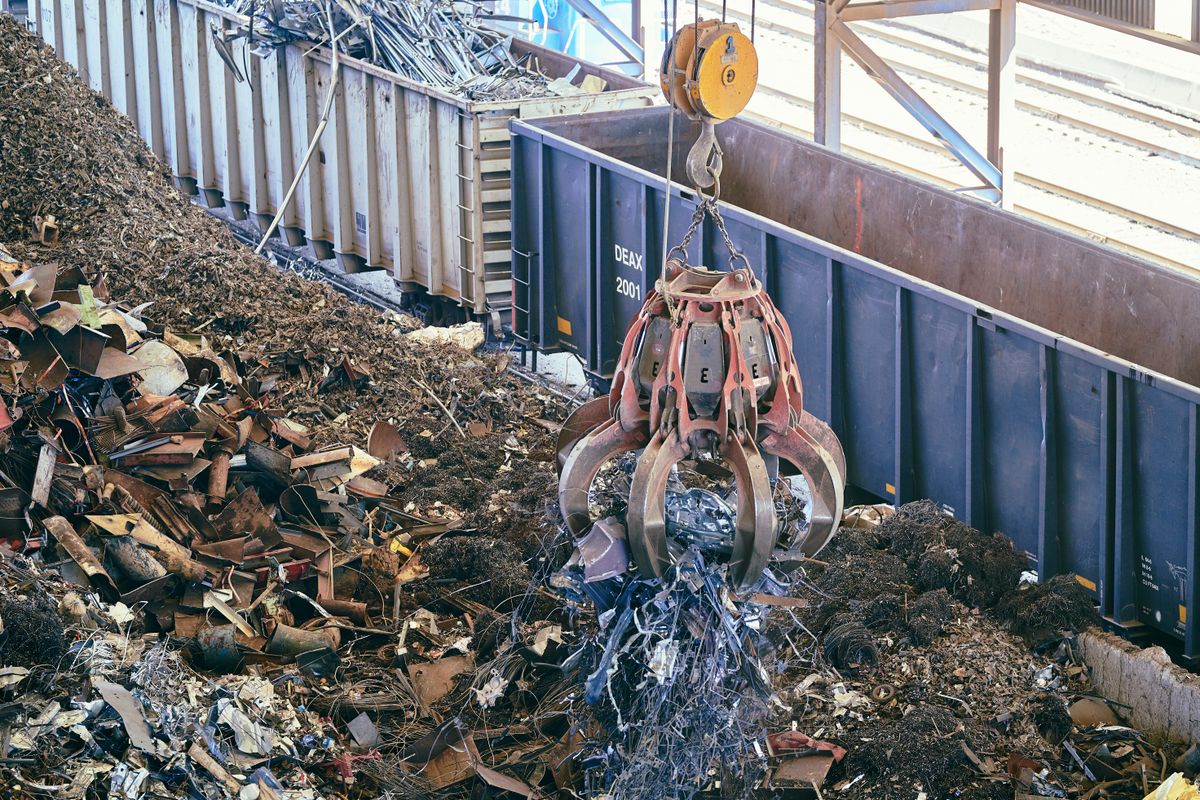
Every experienced scrap seller has had the same conversation at least once: a load quoted at one price arrives at the buyer's yard and comes back discounted, or partially rejected, because something about the material didn't match what was agreed. It's rarely a dispute about honesty — it's almost always a gap in how grading, contamination, and documentation were handled before the truck left. Understanding what buyers are actually checking, and why, is the single most useful operational knowledge a scrap supplier can have.
Grading isn't optional detail — it's the price mechanism
Scrap metal doesn't price on metal type alone; it prices on *grade*. The industry's reference point, particularly for non-ferrous material, is the detailed specification system maintained by ISRI (the Institute of Scrap Recycling Industries) in its Scrap Specifications Circular, which defines dozens of distinct grades per metal — separating, for instance, clean bare bright copper wire from No. 1 copper, from No. 2 copper with some oxidation or coating tolerance, each with its own expected purity threshold and price point. In Europe, ferrous and paper-grade material commonly references the EN 643 framework (and the unified European List of Standard Grades that European industry bodies developed to streamline what had been 14 separate national standards). The specific standard matters less than the underlying principle: the grade name on your paperwork is a purity and composition claim, not a category label, and buyers price — and verify — against that claim.
What actually gets inspected on arrival
In practice, most buyers run some version of the same checklist, whether it's a formal incoming-inspection protocol at a large foundry or a visual-plus-magnet check at a smaller yard:
- Visual sort consistency. Does the load actually match the single grade declared, or is it a mix that was sorted loosely? A "clean No. 1 copper" load with visible insulated wire or aluminium fittings mixed in gets re-graded on the spot, usually downward. - Contamination. Oil, paint, coatings, non-metallic attachments, and — for ferrous scrap particularly — excess dirt or moisture weight are the most common reasons for a price adjustment. For stainless and specialty alloys, cross-contamination with carbon steel is a serious issue because even small amounts can affect a melt's chemistry. - Density and preparation. Shredded, baled, or loose material has different handling costs and yield expectations; a load prepared to the wrong density for what was agreed (e.g. loose turnings quoted as baled) changes the buyer's downstream cost, and the price reflects that. - Radioactivity and prohibited-material screening. Most serious buyers — especially foundries melting ferrous scrap — run radiation portal monitoring as standard incoming inspection. It's a safety requirement, not a formality, and a load that trips it gets held, not just discounted. - Weight verification and moisture/dirt deduction. Especially relevant for ferrous and mixed loads, where buyers will often apply a standard deduction for expected dirt/moisture content unless the material is demonstrably clean and dry. - Paper trail. Certificates of origin, any required environmental/waste-shipment documentation for cross-border loads, and chain-of-custody records increasingly matter not just for compliance but because buyers want assurance the material wasn't misdeclared upstream.
Where sellers lose the most value — and how to avoid it
The costliest mistake isn't dishonest grading; it's inconsistent grading — a load that was sorted carefully at the top but got mixed during loading, or where turnings from two different alloys ended up in the same bin because they looked similar. Buyers price in a margin for that risk by default when they don't know a supplier's sorting discipline, which means first-time or occasional sellers often get a worse effective price than the grade alone would suggest — not because the buyer is being unfair, but because the buyer has no track record to price against.
The practical fix is straightforward even if it isn't always followed: sort to the grade you intend to declare, not to a looser standard you plan to describe accurately in a note. Buyers price what they can verify on arrival; a detailed note describing mixed content doesn't recover the value that clean, single-grade sorting would have captured.
Why verified counterparties change this calculation
A grading mismatch is costly in direct proportion to how much a buyer *doesn't* already know about a seller's material and sorting discipline. That's precisely the friction a verified B2B marketplace is designed to reduce — a track record of consistently graded, accurately described loads is worth real money over time, because it lets repeat buyers price with less built-in risk margin from the first transaction onward. For both sides, that reputational continuity across repeated transactions — rather than a one-off relationship assembled for a single load — is where the real efficiency gain in scrap trading actually comes from.
---
*Sources: ISRI (Institute of Scrap Recycling Industries) Scrap Specifications Circular grading framework; EN 643 / European List of Standard Grades (CEPI/BIR streamlining of national paper and metal grade standards); general industry practice on incoming-material inspection at foundries and recycling facilities.*