
The New EU Waste Shipment Regulation: What Changes for Cross-Border Scrap Metal Trade
Published October 8, 2026
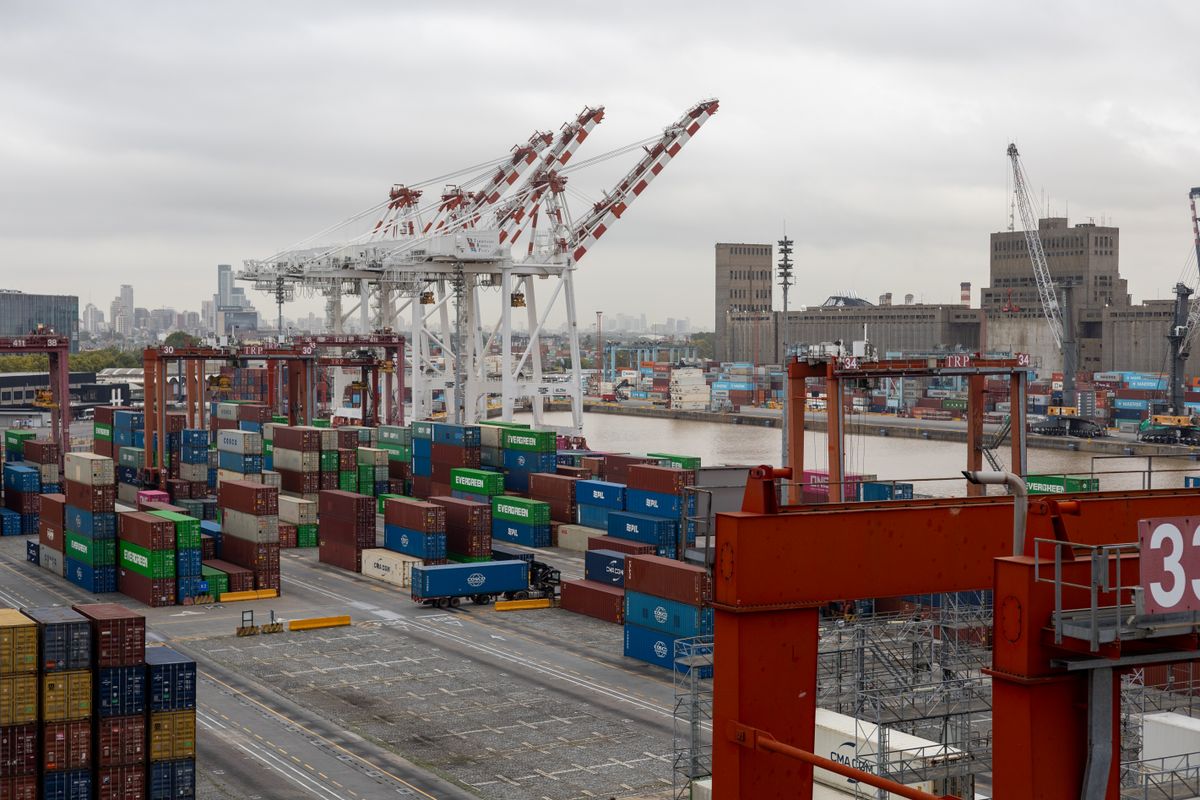
Most companies trading scrap metal across EU borders have, until now, lived with a paper-heavy, fax-and-stamp version of waste shipment compliance that hasn't fundamentally changed in years. That's ending. Regulation (EU) 2024/1157 — the revamped Waste Shipment Regulation (WSR) — entered into force in May 2024, and its core provisions became applicable from 21 May 2026, with a further, more consequential layer of export restrictions due to apply from 21 May 2027. If you move ferrous, non-ferrous, or mixed metal scrap between EU member states, or export it outside the Union, this is worth understanding in detail — not as background policy noise, but as an operational change to how your shipments get documented and approved.
What actually changes from May 2026
The headline shift is digital. As of 21 May 2026, information related to waste shipments within and from the EU must be exchanged through a central EU electronic system, replacing the old paper-based notification and movement-document process. For a trader used to physical stamped forms following a container from origin to destination, this is a genuine process change, not a cosmetic update — documentation, approvals, and tracking move into a digital workflow with its own timelines and data requirements.
The Regulation also shortens the timeframes tied to the TFS (transfrontier shipment) procedure — the notification-and-consent process that applies when a shipment requires prior authorisation rather than falling under the lighter "green list" information requirements that most clean, sorted scrap metal typically qualifies for. Faster procedural timeframes cut both ways: they reduce the dead time a compliant shipment sits waiting for paperwork, but they also compress the margin for error if your documentation isn't ready when the clock starts.
The part that lands later, but matters more: export restrictions
The more structurally significant change doesn't land until 21 May 2027: export restrictions on EU-origin waste — including scrap metal classified as waste — shipped to non-OECD countries. The European Commission has been working through a draft list of which non-OECD destinations would still be permitted to receive EU-origin scrap metal exports under the new regime, a process that industry sources have flagged as having real potential to disrupt established ferrous trade flows if the final list excludes significant existing destination markets.
For companies with export relationships into non-OECD markets today, 2026-2027 is the window to assess exposure — not after the restriction applies. The one-year gap between the May 2026 general applicability date and the May 2027 export-restriction date exists precisely to allow that assessment and adjustment period; using it is the difference between an orderly transition and a scramble.
A parallel, practical development worth watching: intra-EU simplification
Alongside the tightening on exports, the European Commission has also been drafting measures to simplify intra-EU trade in specific waste streams — including metals and WEEE (electronic waste) fractions — recognising that not every cross-border movement of genuinely recyclable, non-hazardous material needs the same procedural weight as a shipment of hazardous waste. For scrap metal traders operating entirely within the EU single market, this intra-EU simplification track is the more immediately relevant development to follow: it directly affects how much friction a routine shipment between, say, a Spanish collection yard and a German foundry will carry going forward.
What this means operationally
For anyone moving metal scrap across EU borders, three things are worth doing before May 2026 rather than after:
1. Map which of your regular shipment lanes rely on "green list" treatment (sorted, clean, low-contamination scrap typically qualifies) versus which require prior notification and consent under the TFS procedure — the digital system changes how both are handled, but the consequences of a documentation gap are more severe for the latter. 2. If you export to non-OECD destinations, get ahead of the Commission's evolving country list rather than waiting for the 2027 deadline to clarify your exposure retroactively. 3. Build the digital documentation workflow into your operations now, not in the weeks before the May 2026 applicability date — a central EU electronic system is a genuine process change for any team still running shipment paperwork manually.
Why verified counterparties matter more under a documentation-heavy regime
A regulation this focused on traceability and documentation changes the value of knowing exactly who you're shipping to and receiving from. Trading scrap metal with a counterparty whose compliance status, facility registration, and documentation discipline you can verify in advance reduces the single biggest practical risk a tightening WSR regime introduces: a shipment held up, rejected, or flagged because the receiving party's paperwork — not yours — wasn't in order. That's an increasingly concrete argument for sourcing cross-border scrap counterparties through a platform built around verification, rather than ad hoc relationships assembled shipment by shipment.
---
*Sources: Regulation (EU) 2024/1157 (EUR-Lex); European Commission environment directorate guidance on waste shipments; industry reporting on non-OECD scrap export restrictions and intra-EU simplification drafting (EUROMETAL, EUWID Recycling and Waste Management).*