
What's Driving Copper Scrap Prices in Europe This Quarter
Published September 24, 2026
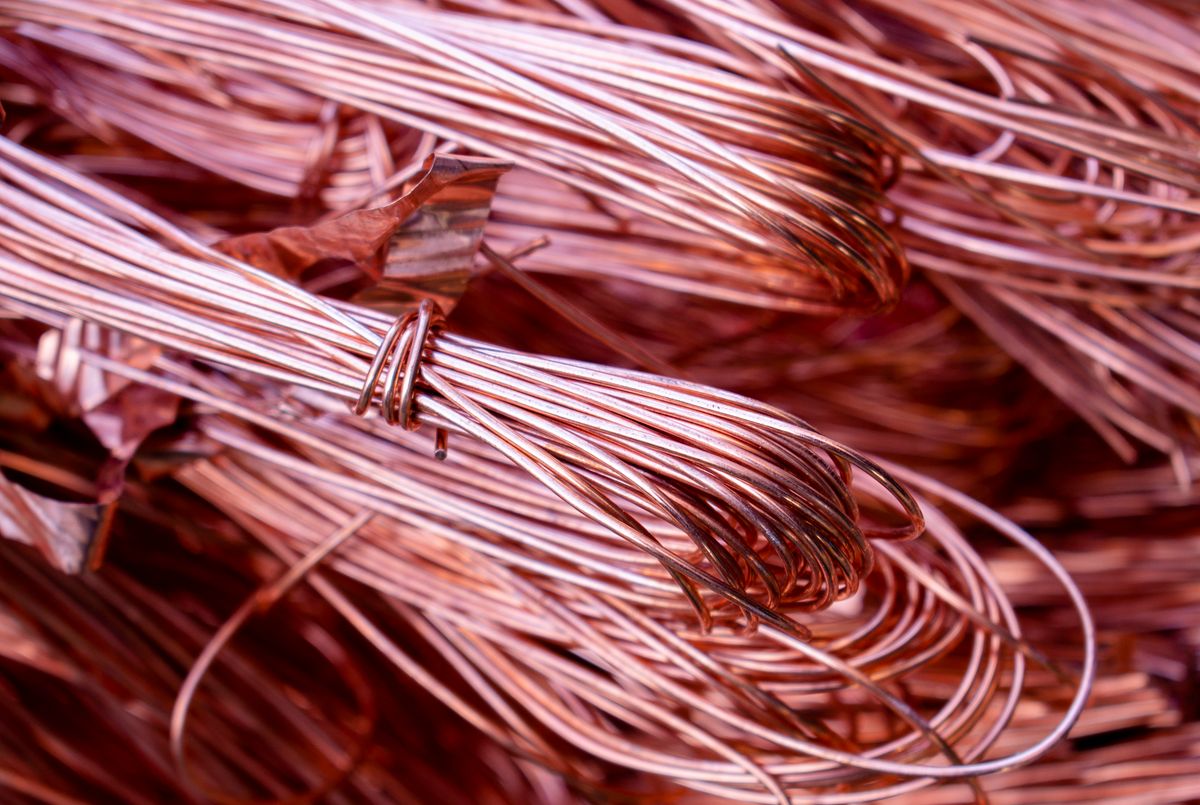
Copper scrap has had an eventful year. Between October 2025 and February 2026, European benchmark copper climbed more than 20% in under four months, from roughly €9,000 to beyond €11,500 per tonne, before giving some of that back over the summer as collection volumes picked up. By September 2026, scrap copper in Germany was trading around $10,639/MT and in France around $10,205/MT — firm levels, but ones reached after a genuinely volatile run, not a smooth climb. For anyone buying or selling copper scrap on a recurring basis, understanding *why* the market moved — not just that it moved — is the difference between pricing a load competitively and chasing a number that's already stale.
Three forces, not one
It's tempting to explain copper scrap pricing with a single headline — "demand is up" or "supply is tight" — but the 2026 picture has been shaped by at least three distinct forces pulling in different directions at different times.
Refined copper strength set the floor. Scrap doesn't trade in a vacuum; it trades at a discount to refined copper, and when refined prices ran hard into Q1 2026, scrap followed. That's the straightforward part of the story, and it's why scrap buyers who only watch scrap indices are always a step behind — the refined market is the leading indicator.
Collection rates did the opposite of what the headline price would suggest. Higher prices should, in theory, pull more material out of yards and demolition sites. In Europe's case, summer 2026 saw exactly that: improved collection combined with softer industrial consumption left more prompt scrap sitting in the spot market than buyers wanted to absorb, and prices eased through June as a result. Supply response to price is real, but it lags — often by a full season — which is exactly the kind of gap that catches sellers who price off last quarter's number.
Clean, ready-to-melt material stayed scarce even while headline volumes improved. This is the detail that gets lost in aggregate price indices. Industrial scrap streams and end-of-life collection both held up reasonably well through Q3 2026, but the volume of genuinely clean copper — low in contamination, properly graded, ready for direct remelt by a brass mill or wire drawer — stayed tight. Refiners and cable manufacturers kept actively bidding for that specific tier of material even as broader indices looked flat to firm, which is why two sellers holding "copper scrap" at the same nominal tonnage can see very different offers depending on grade and preparation.
What this means if you're trading copper scrap right now
For sellers, the practical takeaway is that grade discipline is paying a real premium in this market. Bare bright wire separated cleanly from insulated cable, or clean No. 1 copper free of oxidation and attachments, is commanding attention from buyers who are specifically short on clean, remelt-ready tonnage — even in a quarter where the broad index looks merely "stable." Mixed or contaminated lots are the ones absorbing the oversupply pressure from improved summer collection.
For buyers — foundries, cable manufacturers, brass mills — the lesson of the Q1 2026 spike is that waiting for a dip can be expensive if the underlying driver is refined-copper strength rather than a scrap-specific oversupply. Distinguishing which force is currently dominant (refined price momentum vs. seasonal collection swings vs. clean-grade scarcity) is the actual skill in this market, more than any single price level.
Why this matters for how scrap actually gets traded
None of this analysis changes the fundamentals of the underlying transaction: a seller with tonnage to move still needs to find a buyer who wants that specific grade, at that specific location, now — and vice versa. What volatility like 2026's does is raise the cost of *not* having a clear, current view of who is actually in the market for your material. A supplier sitting on clean bare bright wire gets the least value from it by selling into whichever local buyer happens to answer the phone that week; the better outcome comes from reaching the wider pool of verified buyers who are specifically bidding for that grade. That's the practical argument for marketplaces that connect verified suppliers and foundries directly across borders, rather than relying on a single regional relationship — in a market this driven by grade-specific demand, reach matters as much as timing.
---
*Sources: industry pricing data reported via procurement and commodity-research trackers for Q1–Q3 2026 (Germany and France CIF copper scrap benchmarks); general market commentary on 2026 European copper scrap supply/demand conditions.*